More than half of global sports fans now watch live games through digital platforms instead of traditional television, according to recent media consumption studies. This shift has changed how people experience sports, especially travelers who spend long periods away from home.
Whether crossing continents for work or exploring new cultures, fans no longer have to miss key matches or championship moments.
Modern streaming technology allows supporters to follow their favorite teams from airports, hotel rooms, or cafés with stable internet connections. Platforms offering Sports (스포츠중계) services have become essential tools for travelers who want instant access to live matches regardless of location. With mobile-friendly interfaces and global availability, these services remove the geographic barriers that once separated fans from live competition.
The Rise of Portable Sports Viewing
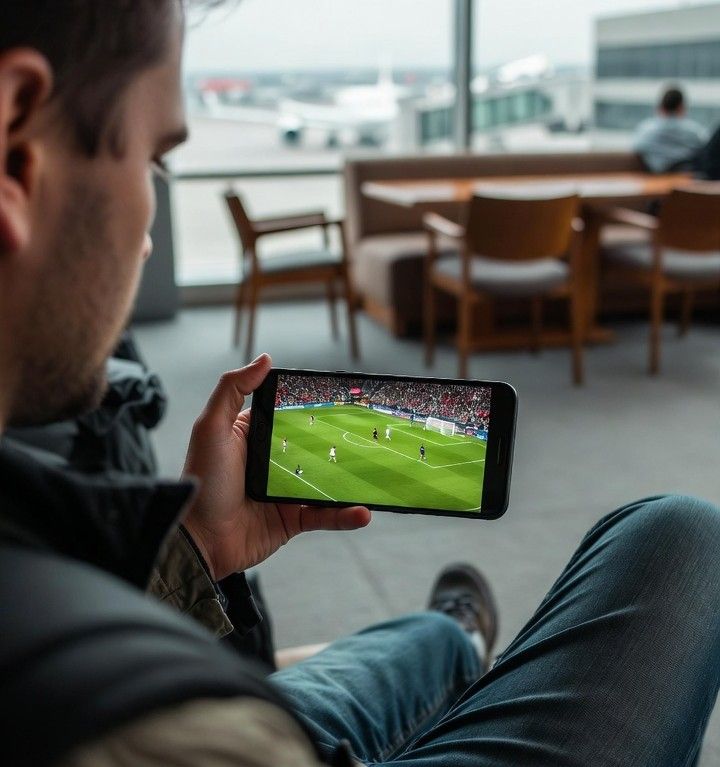
Travel once meant relying on local television schedules, which rarely aligned with personal preferences. A football fan visiting another country might struggle to find broadcasts in a familiar language or miss games entirely due to regional restrictions. Digital broadcasting changed that reality by placing live sports directly on smartphones, tablets, and laptops.
Portable viewing supports modern lifestyles shaped by mobility. Digital nomads working remotely across Asia or Europe can stream matches during downtime without searching for sports bars or cable channels. Airlines, trains, and public Wi-Fi networks have also improved, allowing fans to stay connected while moving between destinations.
This portability gives sports a sense of continuity. Travelers maintain routines connected to their home leagues, which helps reduce homesickness and keeps them socially engaged with friends and communities online.
Managing Time Zone Differences
Time zones remain one of the biggest challenges for international sports fans. A Premier League match played in London may air past midnight in Southeast Asia or early morning in North America. Digital broadcasting platforms address this issue through flexible viewing options.
Traveling across continents to watch or follow sports comes with its own challenges. Time zone differences can shift match schedules to early mornings or late nights, forcing fans to adjust their routines.
Athletes experience similar disruptions when competing internationally, often dealing with jet lag and physical fatigue that affect performance. Insights from professional esports highlight how teams prepare for these demands, especially when managing travel fatigue during major competitions, showing how structured rest, preparation, and mental focus help maintain peak performance despite constant travel.
Features such as live pause, instant replay, and match replays allow viewers to adapt schedules around work or travel plans. A business traveler attending meetings abroad can watch a replay later without spoilers through notification controls and delayed streaming options.
Fans increasingly plan daily routines around important fixtures. Early morning kickoffs become part of travel experiences, with supporters gathering in hostels or co-working spaces to watch together. Technology turns inconvenient time differences into shared cultural moments.
Football’s Global Community on the Move
Football remains the most internationally followed sport, and its worldwide fan base depends heavily on digital access. Supporters of clubs like Manchester United, Real Madrid, or Bayern Munich often live thousands of kilometers from their teams’ home stadiums. Travel intensifies this distance, making online broadcasting even more valuable.
Global tournaments such as the FIFA World Cup or UEFA Champions League demonstrate how streaming connects diverse audiences. Fans traveling abroad during these events can still participate in live discussions on social media, watch highlights instantly, and celebrate victories alongside supporters worldwide.
Many travelers describe watching matches abroad as a way to connect with locals. A shared game creates conversation even when languages differ. Access to reliable Sports services ensures fans always have an entry point into these social interactions.
Mobile Access and Smart Technology
Smartphones have become the primary device for sports consumption among travelers. Advances in adaptive streaming technology adjust video quality based on internet speed, preventing interruptions during live matches. Offline alerts, personalized schedules, and multilingual commentary further enhance accessibility.
Wearable devices and smart TVs in short-term rentals also contribute to the experience. Travelers can cast matches from phones to larger screens within seconds, turning temporary accommodations into personal viewing spaces.
Security improvements play an important role as well. Encrypted connections and verified platforms help users stream safely while connected to public networks, which are common during international trips.
Why Sports Broadcasting Matters for Modern Travel
Sports broadcasting now serves a deeper purpose than entertainment alone. It preserves emotional connections between fans and their teams, even during long journeys away from home. For expatriates and long-term travelers, following a season provides stability and familiarity amid constant change.
Live sports also anchor social identity. Fans remain part of conversations happening in real time, whether through messaging apps, fan forums, or live commentary communities. Missing a major match once meant feeling disconnected. Today, technology keeps supporters involved wherever they are.
As travel continues to grow and remote work expands globally, digital broadcasting platforms will likely evolve further. Improved streaming speeds, virtual reality viewing, and interactive fan features may soon make watching abroad feel identical to sitting in a home living room.
Conclusion
Travel no longer separates fans from the games they love. Digital platforms have transformed sports into a borderless experience, allowing supporters to follow every pass, goal, and final whistle from anywhere on the planet. Through mobile access, flexible scheduling, and reliable Sports options, travelers stay connected to their teams and communities regardless of distance. The stadium may be thousands of miles away, yet the excitement of live competition remains only a screen away.